Hello ECHO Community,
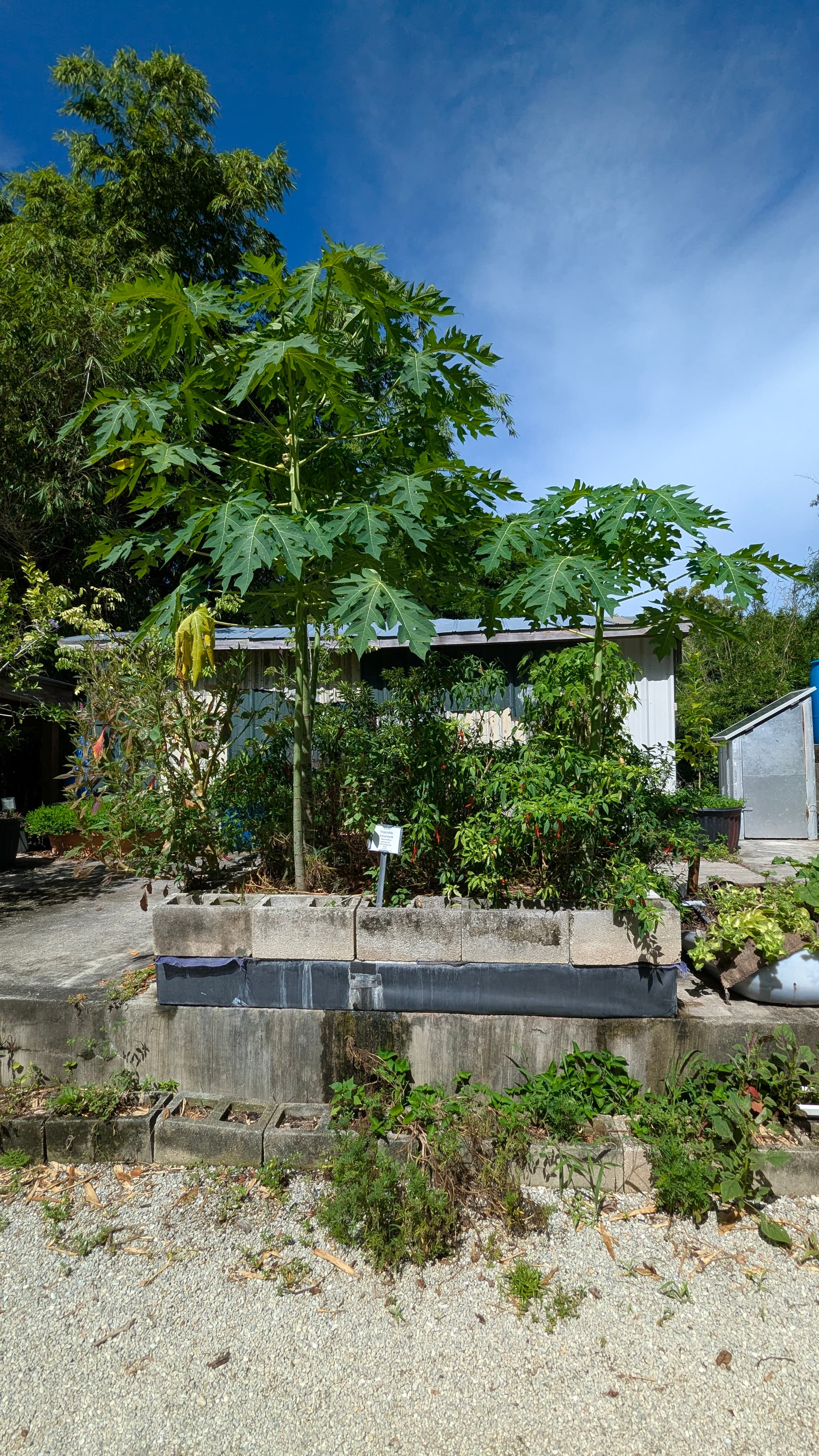
The 100-Fold bed is a method designed by ECHO network member Lance Edwards and explained in detail in this article: http://edn.link/tn95. It was adapted as an above-ground urban gardening technique and has been demonstrated in the Urban Garden at ECHO NARIC for many years. While working in the UG, I have found the 100-Fold Bed to be an excellent demonstration. It is extremely water-efficient, watering plants directly to their roots, and once it is set up, it requires little maintenance. Notice the huge papayas!
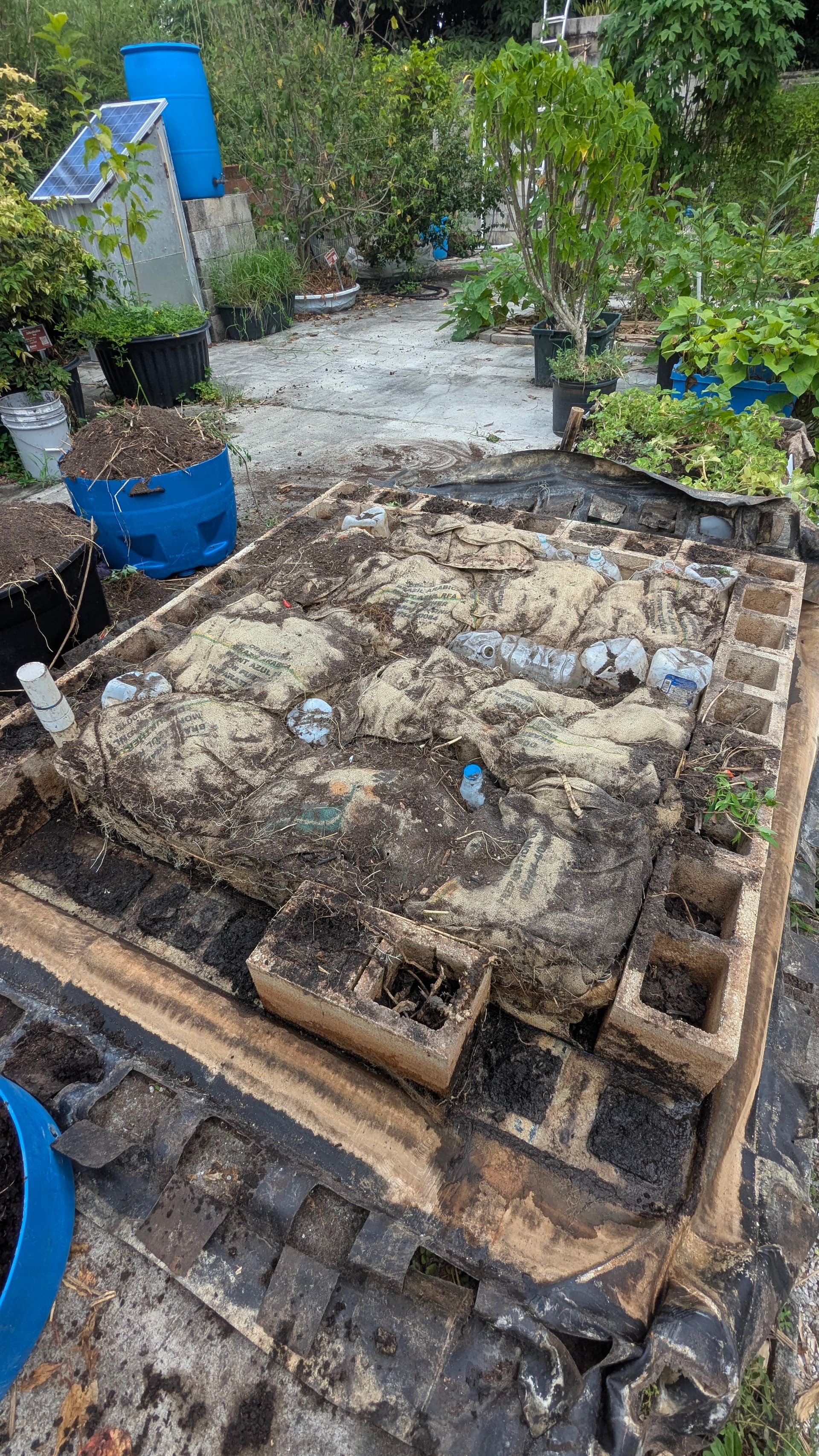
I rebuilt the bed back in September of 2025 to replace the rubber lining that had torn. Previously, the reservoir was filled with sacks of plastic bottles, aluminum cans, and glass bottles. This functioned well, but I was curious if the materials breaking down would eventually have harmful effects on the soil. I also noticed that the plastic bottles tended to compress over time and the cans rusted away. Glass bottles held up the best and have the least concern for contaminating soil as well.
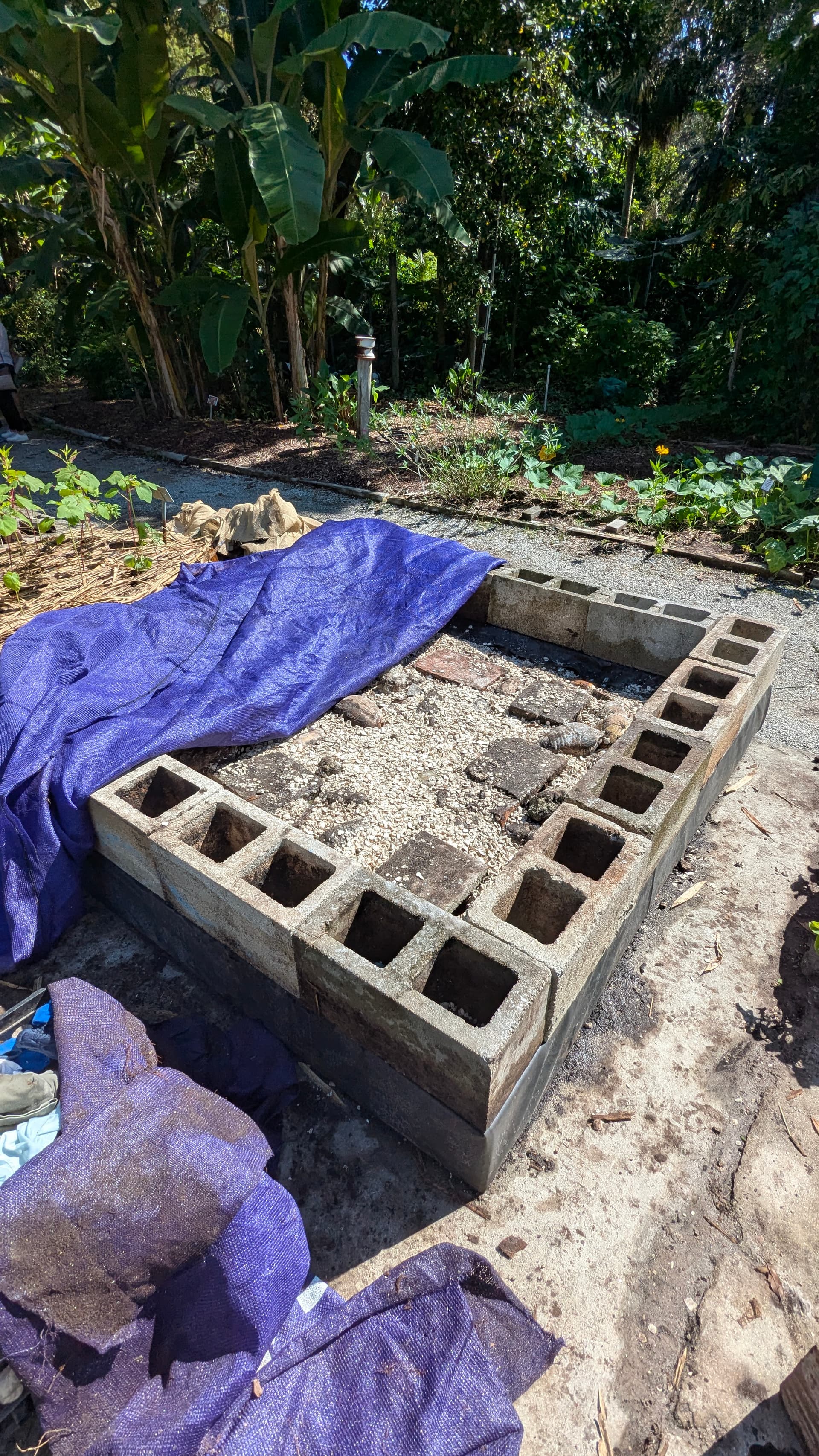
The new bed is filled with a mix of coconuts, rocks, bricks, pieces of cinderblock, and shell. The holes of the cinderblock are filled mainly with glass bottles and the south half has t-shirts along with the glass bottles to test if it will help with wicking. My guess is that if the coconuts break down the bed may need to be rebuilt within a year. I would like to see how these materials hold up compared to the trash and recyclables previously used.
The article suggested filling the reservoir with sawdust or sand-- What are some materials you have tried or could see being used in the reservoir?
What are other aspects of the design you would like to see trialed?
1 Like
UPDATE
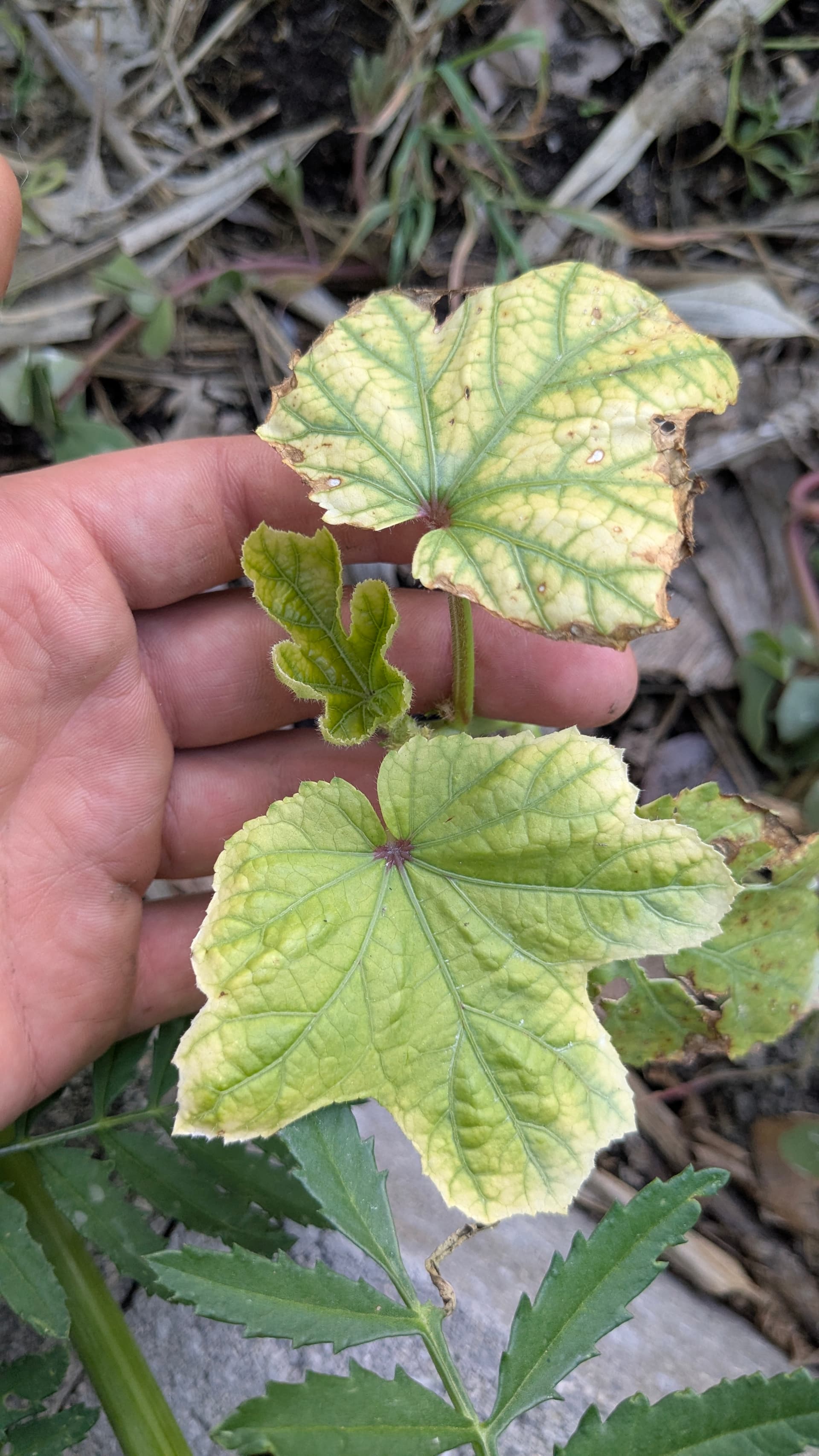
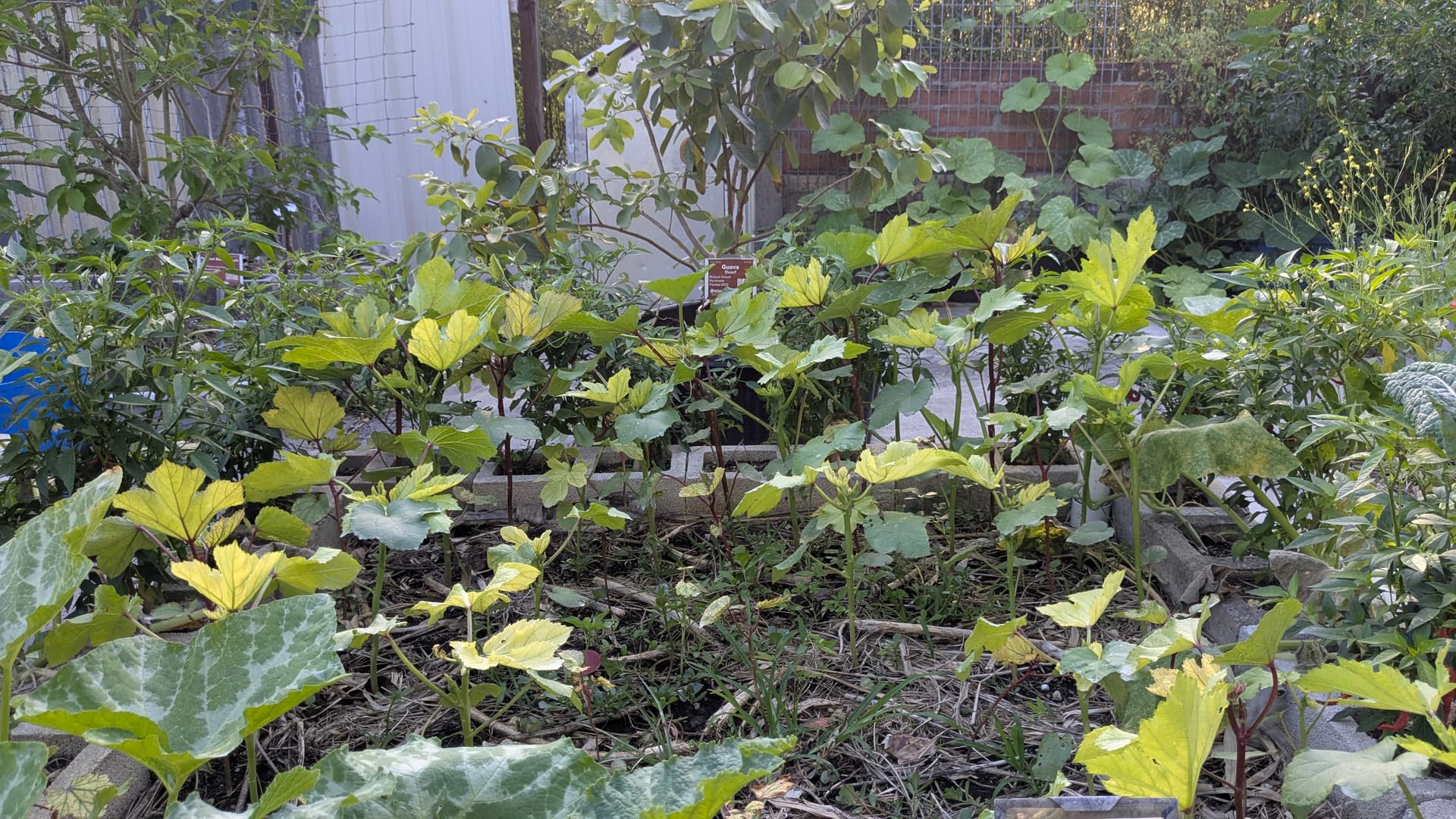
I have noticed a nutrient uptake issue in my okra, which I planted in the 100 Fold Bed. I believe this could be related to the shell increasing the pH. Interestingly, it has affected the okra in the center more than on the edges. I added wettable sulfur on the leaves and in the soil, which I hope will help resolve the issue.
2 Likes
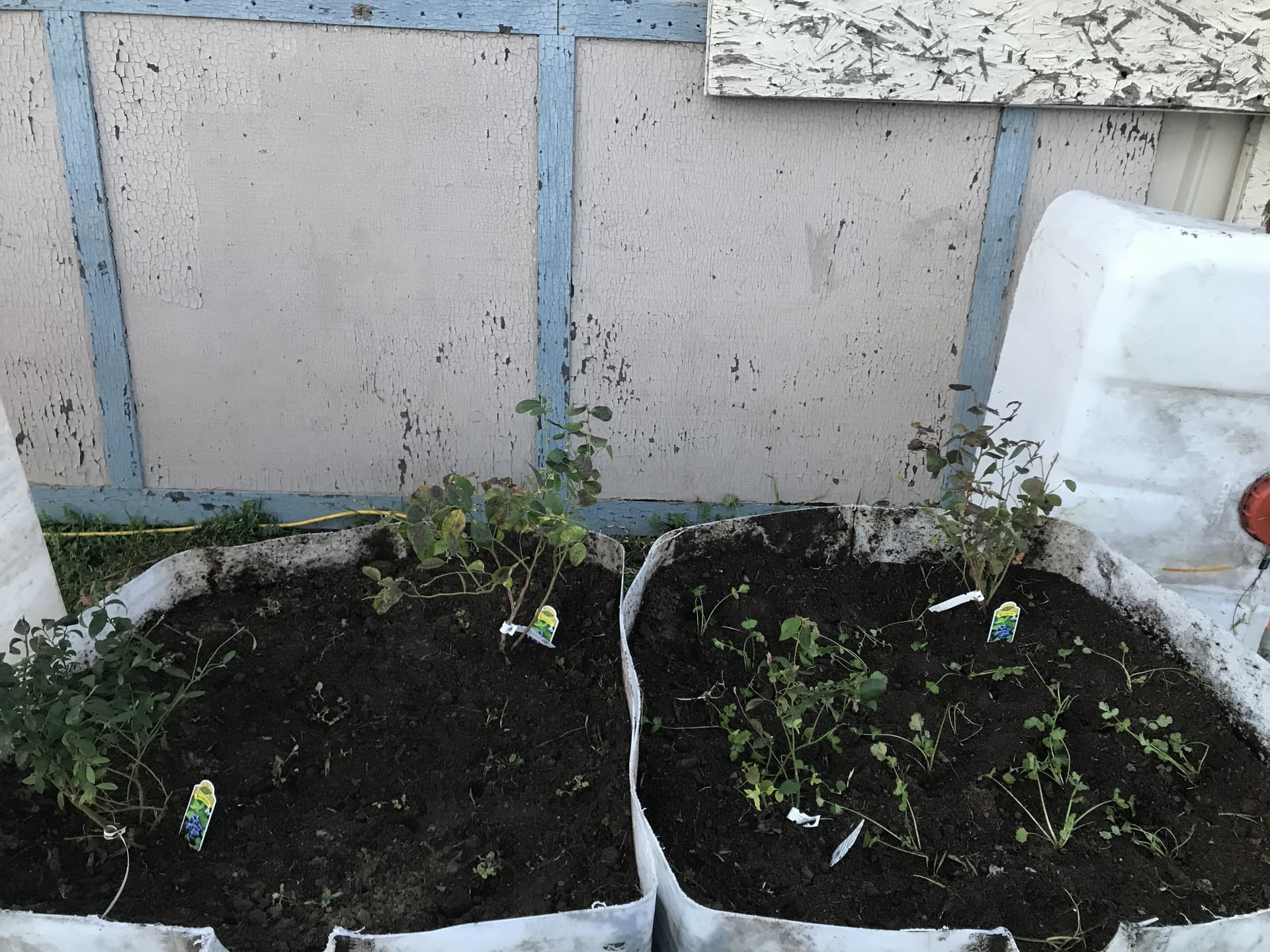
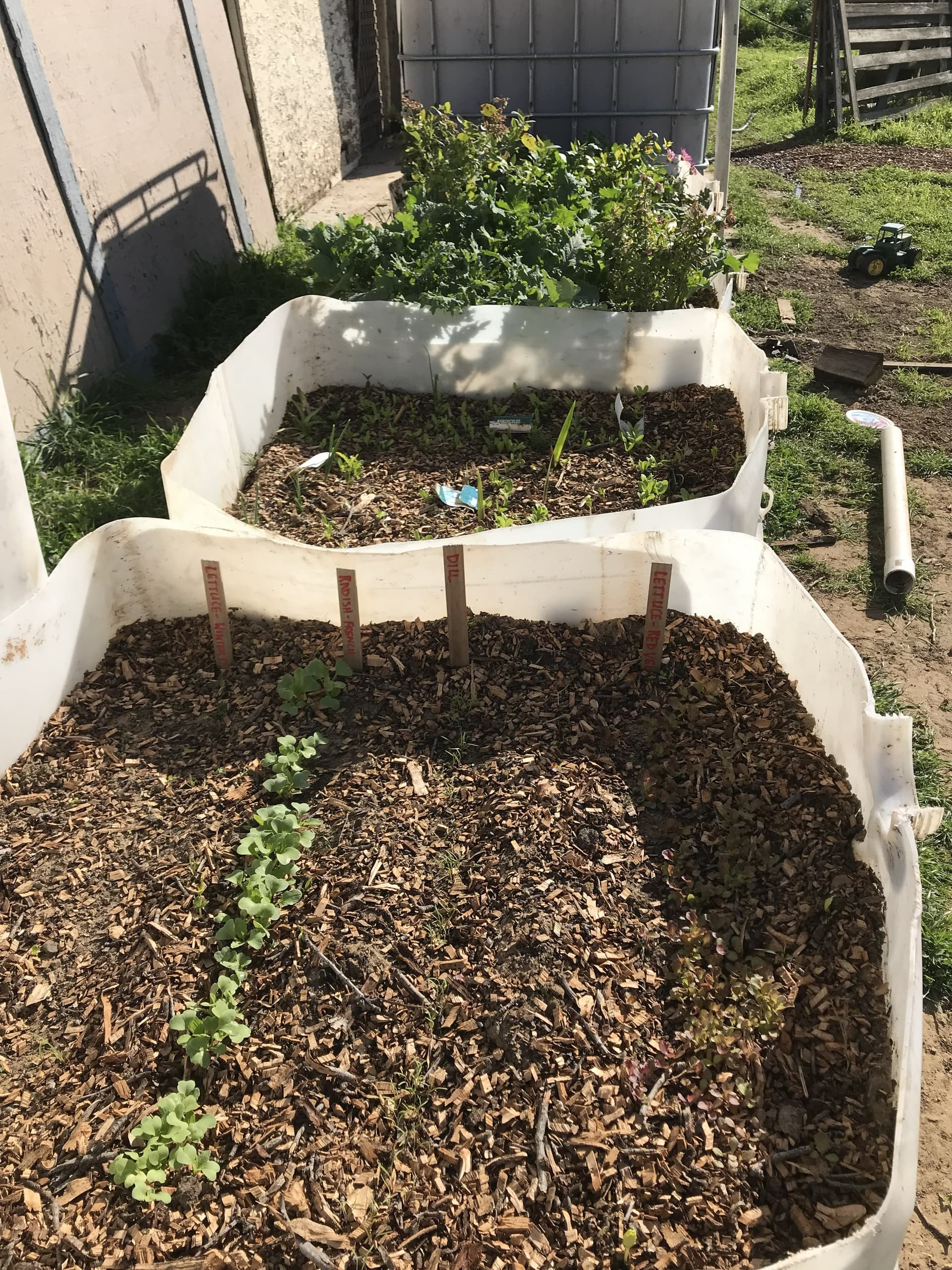
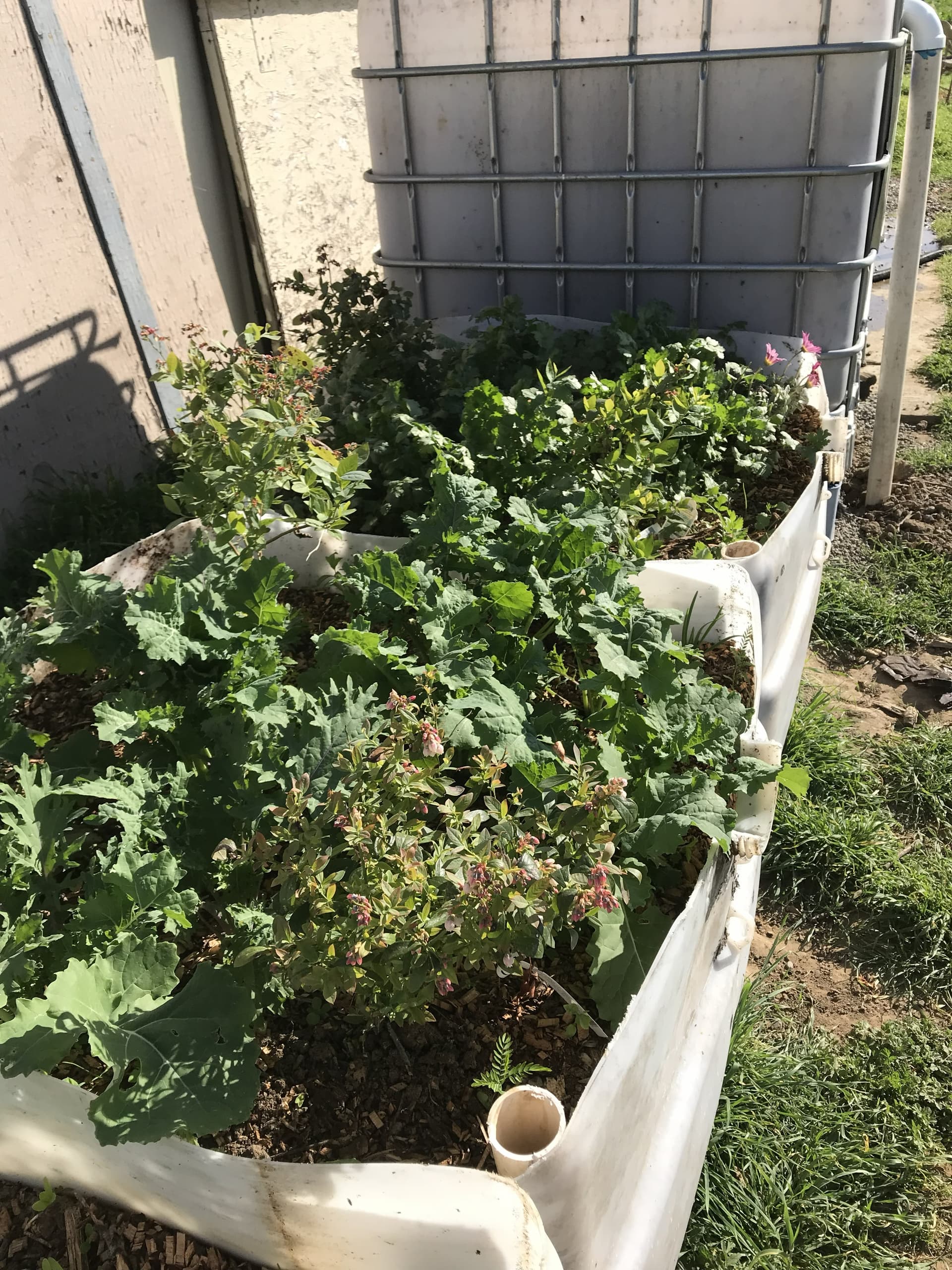
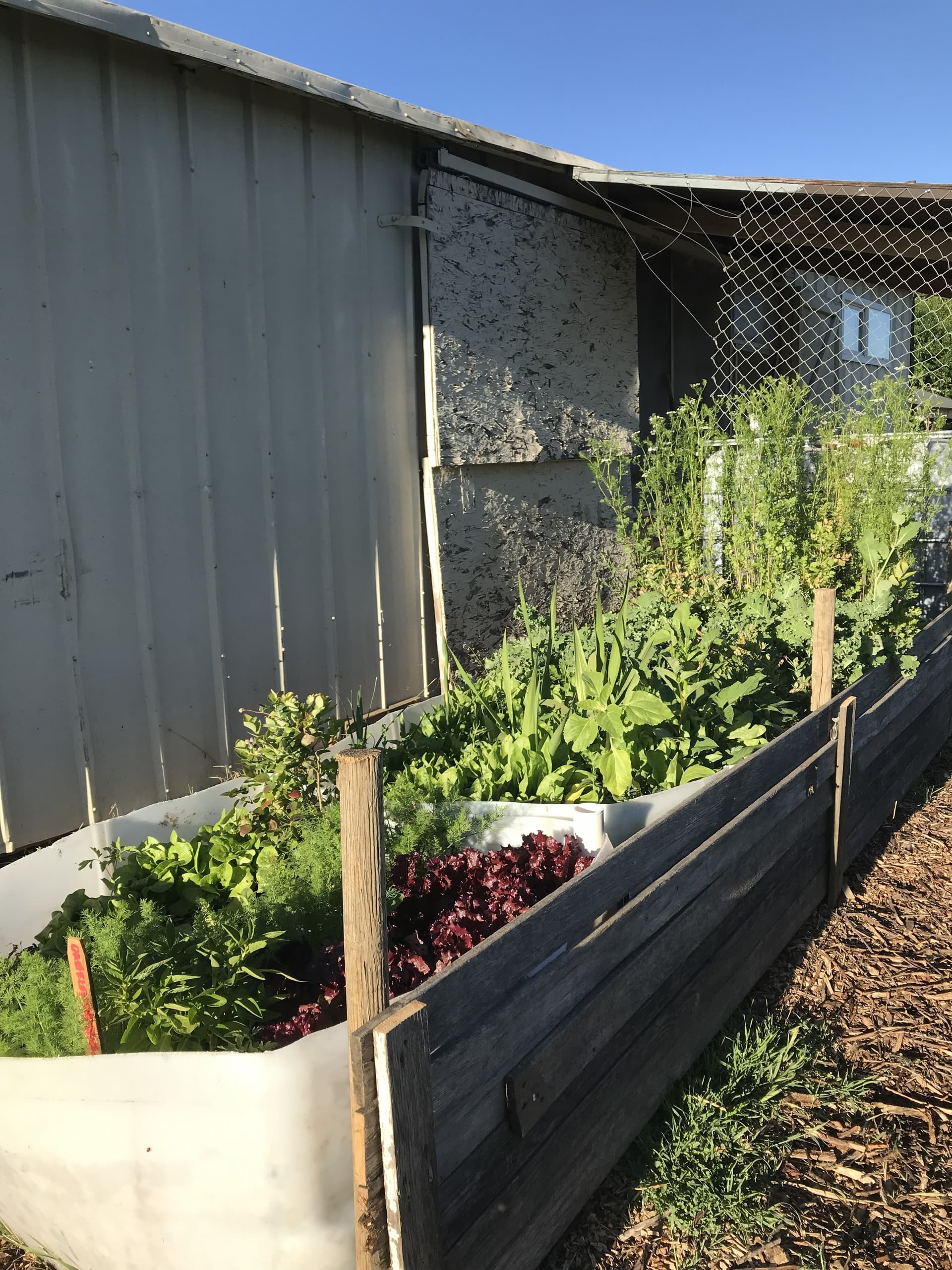
Thanks @Julianna_Mueller for the update! I was inspired by your original post on the 100-fold bed to design a wicking bed to recycle old food grade IBC totes.
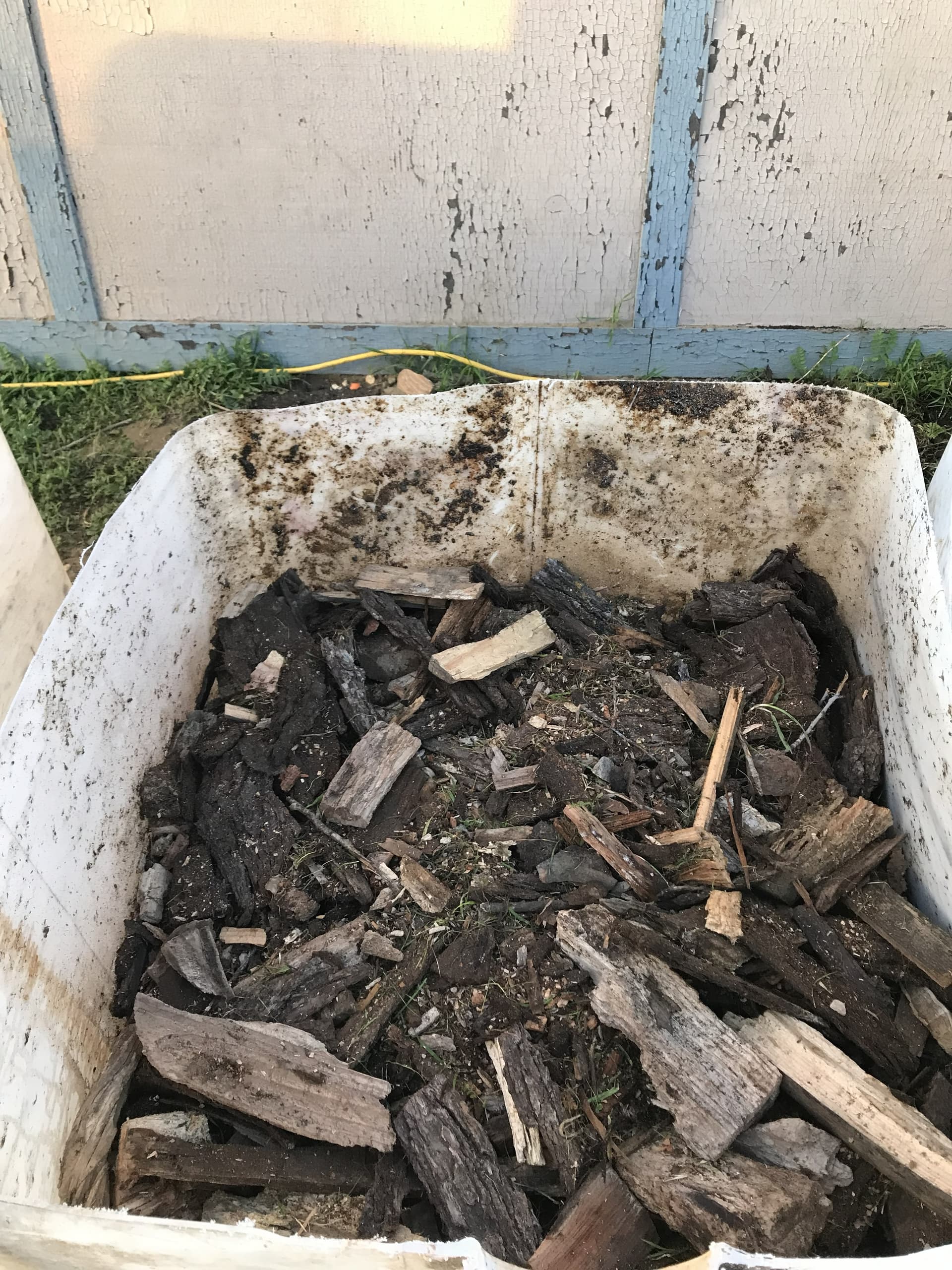
Base layer of rotten wood, bark, and charged bio char.
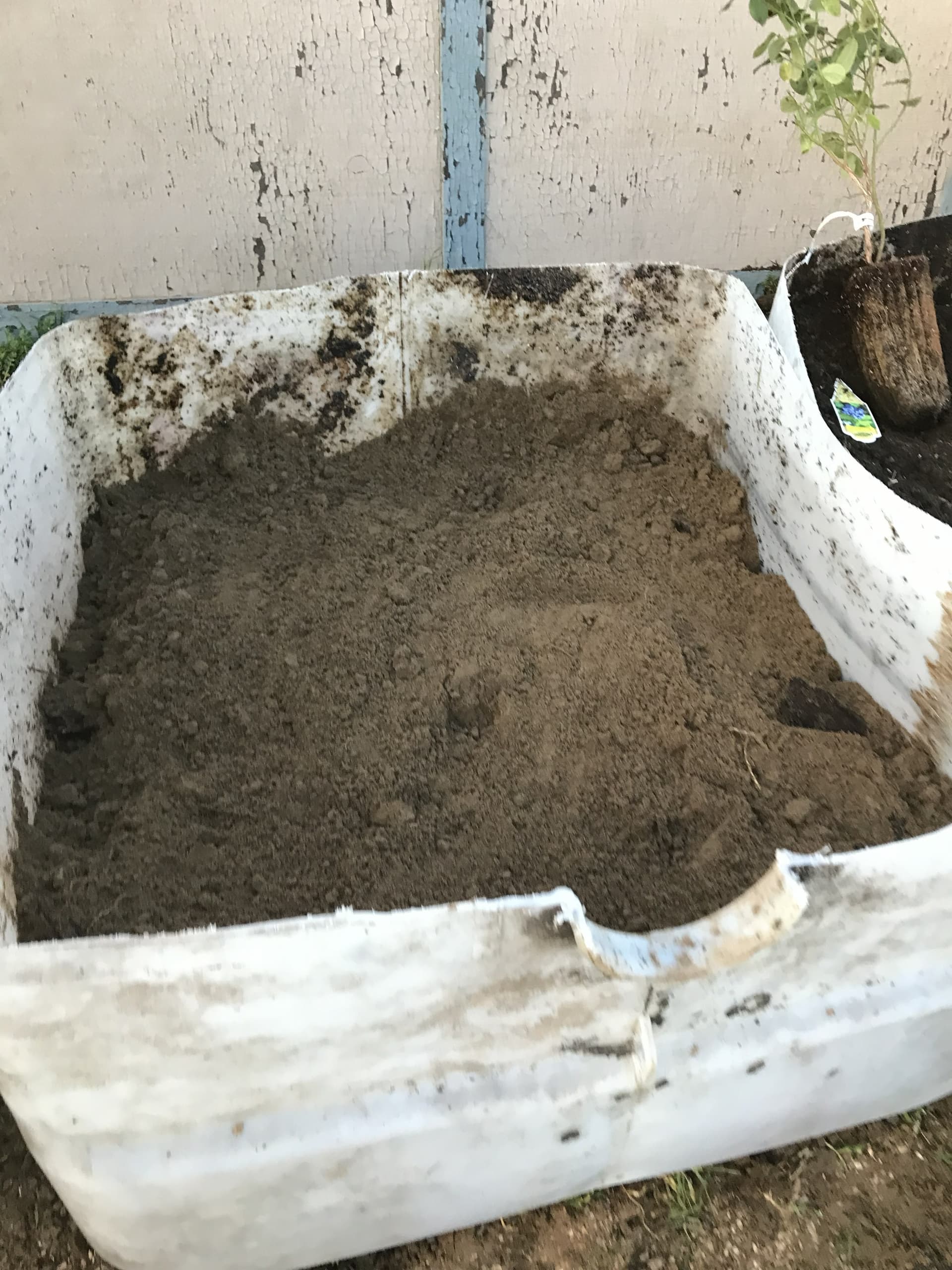
Mid layer of local sand.
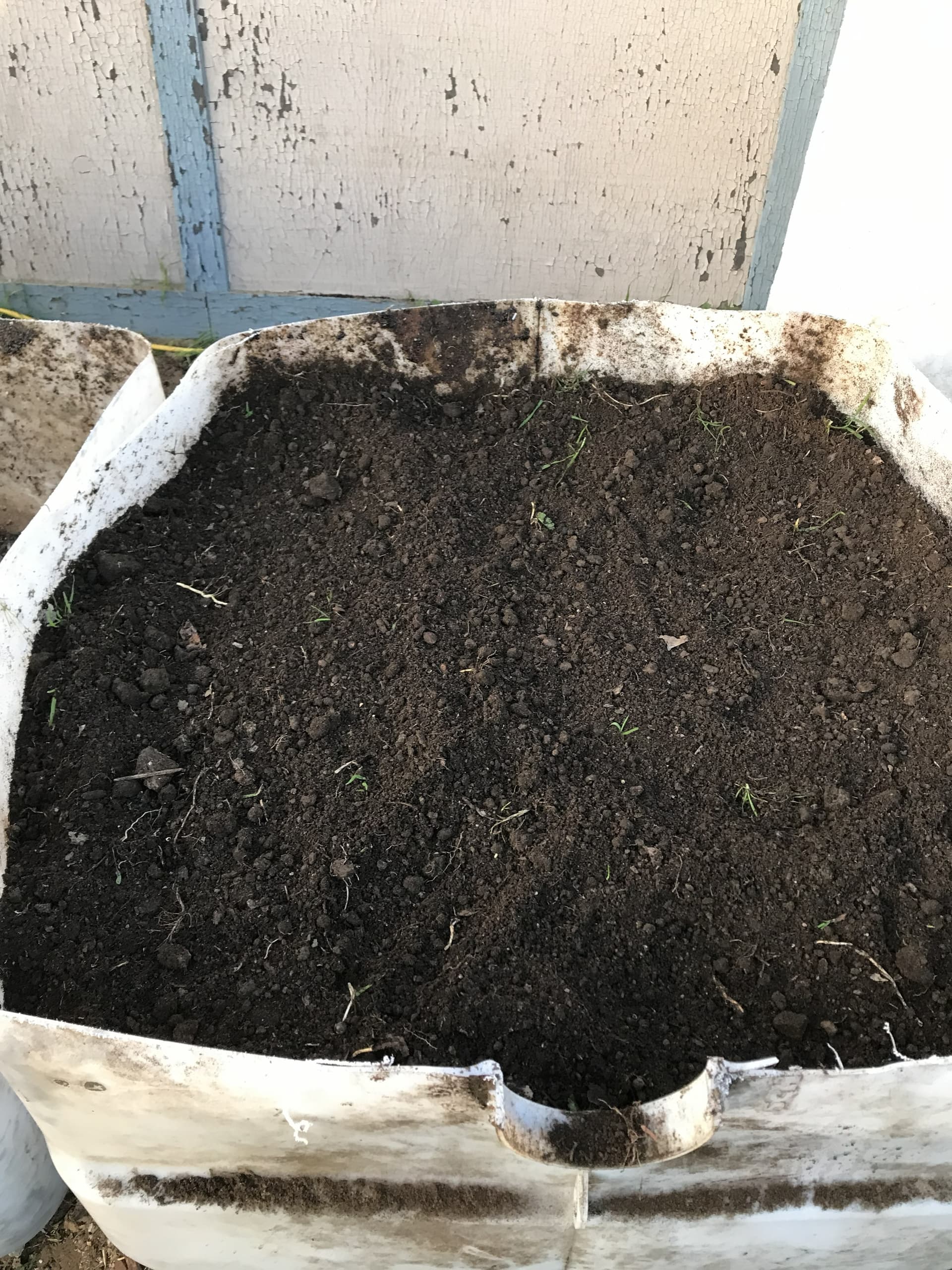
Top layer of composted sheep manure and top soil.
Initial planting with light wood chip mulch layer.
At 2 months with the addition of pvc section that extends down into the bottom of the bed so that we can fill the water reservoir.
Thriving at 3 months
1 Like
Great work @Julianna_Mueller. I am getting ready to trial the 100 Fold Bed here in West Africa and was curious what is purpose of putting the fill material in bags in the original design? Is it to add an extra layer of protection to prevent puncturing the water barrier?
1 Like
Those layers look great, the wood and biochar are a great idea too! Thank you for sharing @Prop_Specialist
Hi @Grant_N! Great question, I’ve wondered that as well. My guess is that it would still function well without the bags, but it may help prevent puncturing if there are metal cans, as you said, or just be a way to keep everything orderly when setting it up or taking it apart. It’s probably good to use if it’s a readily available resource you have in West Africa, but otherwise, I don’t see it being particularly important. Let me know what you decide on, and I’d love to see how it goes!
Hi Grant and @Julianna_Mueller ,
Great question! I looked back to the full write-up by Lance Edwards in Zimbabwe and found the following answer:
Inorganic, non-degradable materials bear the weight of the soil that will be placed on top… I try to make sure that the fill I put in the bottom bags is quite well-compacted, to avoid any future settling of the bed and of the soil above it. Once the bags are filled, gently lay each bag flat on top of the plastic liner, ensuring that the fill material is evenly distributed and 20 cm thick (so that the height of the bags is 20 cm from the bottom of the bed). Be very careful not to perforate or puncture the liner; we don’t want to compromise the waterproof integrity of the liner. Arrange the bags as needed to cover the bottom of the bed. If there are depressions between the bags of fill, you can add additional fill on top of the bags to create a level surface. Typically, once I have placed bags in the bottom of the bed, I try to fill any cracks and gaps with a finer medium such as river sand.
If you have any other questions about this, I can email and ask Lance as well!