Development of a least-cost banana stalk recipe
Banana stalks (also called pseudostems) are often abundant in the tropics. Their abundance as a by-product makes them a useful low-cost low alternative feed.
Many small scale pig farmers in Northern Thailand boil banana stalks before feeding them as a supplement to pigs and poultry. While banana stalks have a low nutritional value, this approach is useful when farmers are just maintaining livestock weight. Banana stalks will always need to be part of a feed ration with other high protein and energy feeds for growing productive livestock.
ECHO has promoted banana silage as an option to reduce the need for daily collection of banana stems. It can also reduce the time and firewood requirement for boiling of banana stalk. See EDN 168 for more information on this: Raw, Boiled, and Fermented Banana Stalk Comparison for use in Farm-generated Pig Feed | ECHOcommunity.org
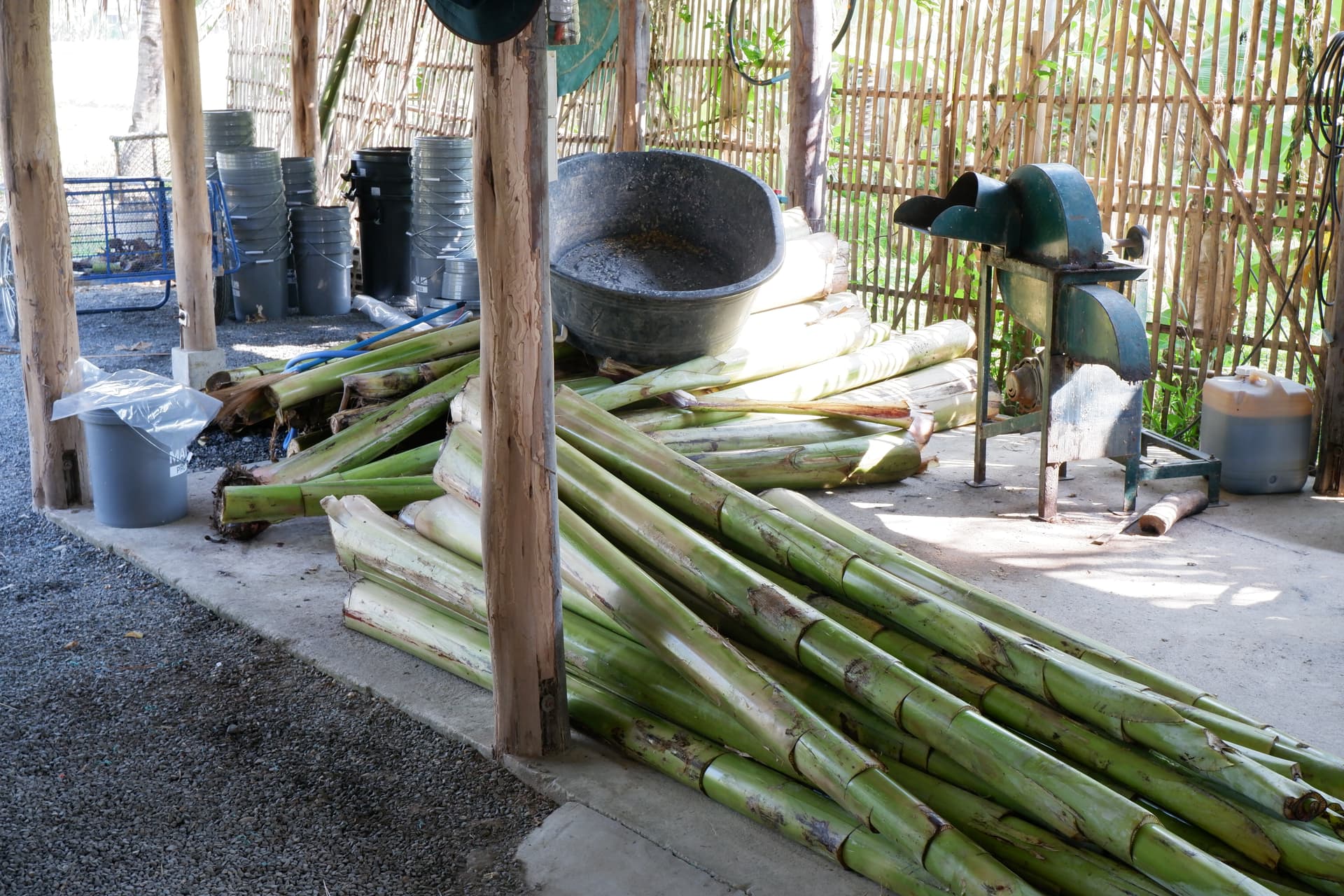
Figure 1: Banana stalks ready for chopping
However many banana silage recipes suggest high rates of molasses (often around 5%) to ensure good fermentation. Recipes also often call for salt or other additives. These ingredients add cost, and may not be available in remote rural areas.
ECHO Asia recently conducted a simple trial to work towards a least-cost banana stalk silage recipe.
Approach
In our recent simple trial, we tested the following recipes. These had different rates of molasses, with and without salt. We also tested recipes that included chopped sugarcane stalk.
Table 1: Ten banana silage recipes tested
| # | Treatment | Molasses | Salt |
|---|---|---|---|
| 1 | Banana – High molasses, salt | 2% | 0.5% |
| 2 | Banana – High molasses, no salt | 2% | 0% |
| 3 | Banana – Normal recipe | 1% | 0.5% |
| 4 | Banana - Normal molasses, no salt | 1% | 0% |
| 5 | Banana – low molasses, salt | 0.5% | 0.5% |
| 6 | Banana - low molasses no salt | 0.5% | 0% |
| 7 | Banana - No molasses, salt | 0% | 0.5% |
| 8 | Banana - No molasses, no salt | 0% | 0% |
| 9 | Banana - 5% sugarcane | 0% | 0.5% |
| 10 | Banana - 10% sugarcane | 0% | 0.5% |
Silage was placed in 20 liter buckets. We tested pH of the silage over time, and submitted samples of the silage recipes before and after fermentation for laboratory nutritional analysis. We also made visual and smell observations over time.
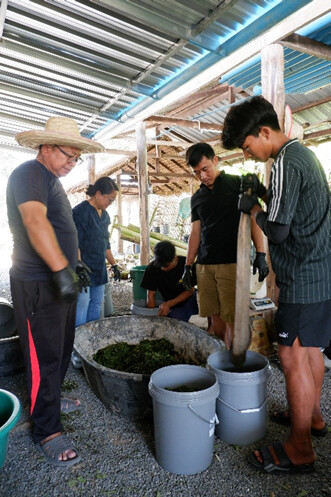
Figure 2: Preparation of silage for placement in buckets
Results:
All banana stalk recipes reached almost the same low pH level around pH 3.7 within a week, regardless of their amount of molasses or salt inclusion. This suggests that for the banana stalk we used, the banana stalk had enough soluble sugars for rapid fermentation even without molasses.
All banana stalk recipes had quite similar energy, protein, and fiber content after fermentation. The recipes with sugarcane had slightly more energy. Any differences were too small to draw any conclusions from our trial. It seems that the different molasses and salt levels did not make much difference in the silage nutritional quality.
After around 2 weeks, the recipes with lower soluble sugar start to spoil quicker. After 2 months, the 1% molasses, 2% molasses, and sugarcane silage recipes were still acceptable quality, but the 0.5% and 0% molasses recipes had spoiled.
Salt seemed to slow browning on the top layer, but did not make a difference in overall spoilage or quality.
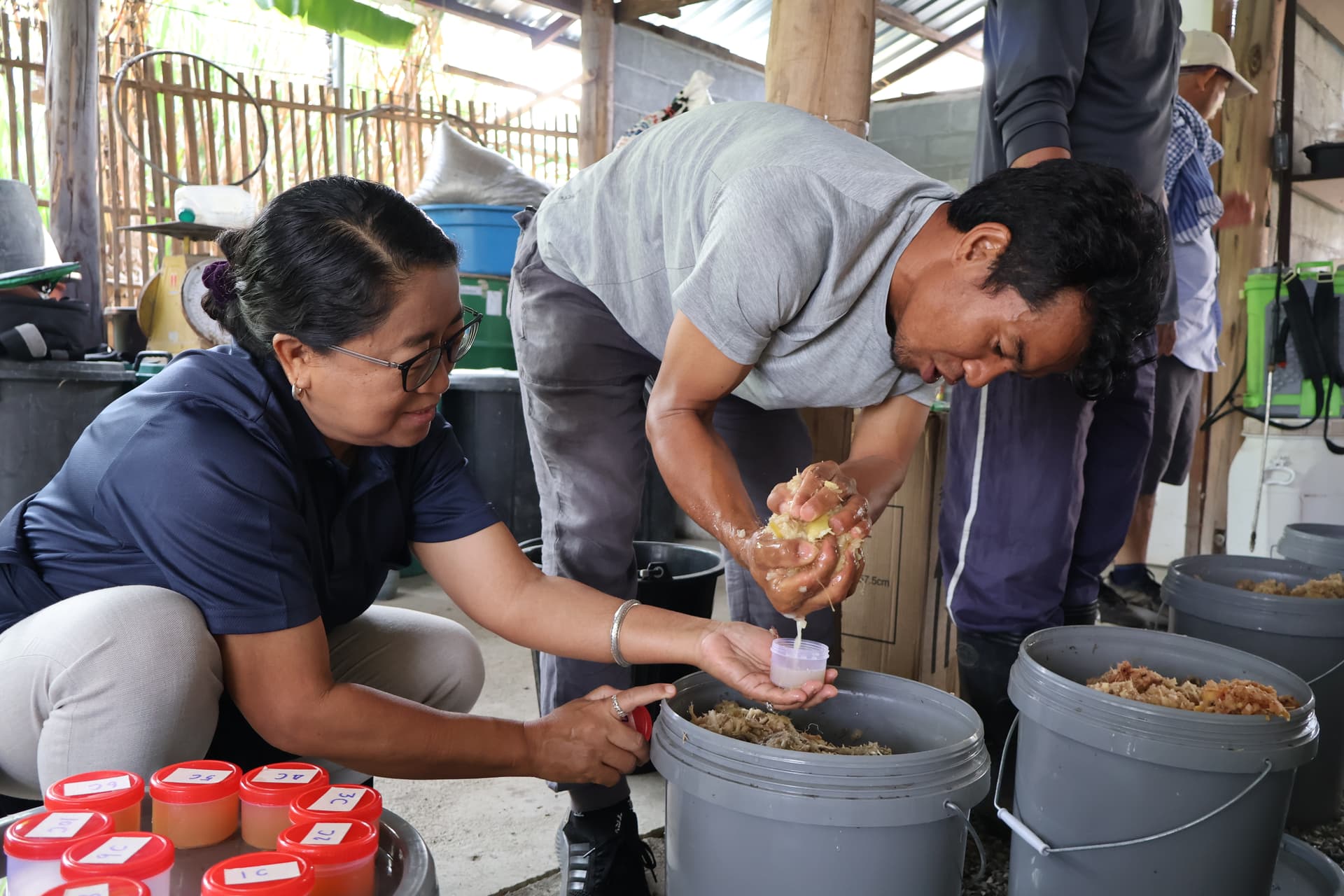
Figure 3: ECHO Apprentices sampling silage for pH analysis
Conclusion
At least 1% molasses by weight is recommended to prevent early spoilage. For feeding within two weeks from ensiling, no molasses was required. Salt is not required. Sugarcane was an effective substitute for molasses.
How well do these results match your experience?
We are still following up to validate these results. Please share your own experience with banana stalk silage! What recipes do you use?