ECHO promotes the use of low cost materials to preserve seed viability. One of these options is using old jam jars as storage containers, and creating a vacuum in the containing using a modified bicycle pump. A hole in the top of the jam jar is sealed with a piece of tape. This method is explained further in this short resource: Bicycle Pump Vacuum Sealer for Seed Storage | ECHOcommunity.org
But how long does the seal last?
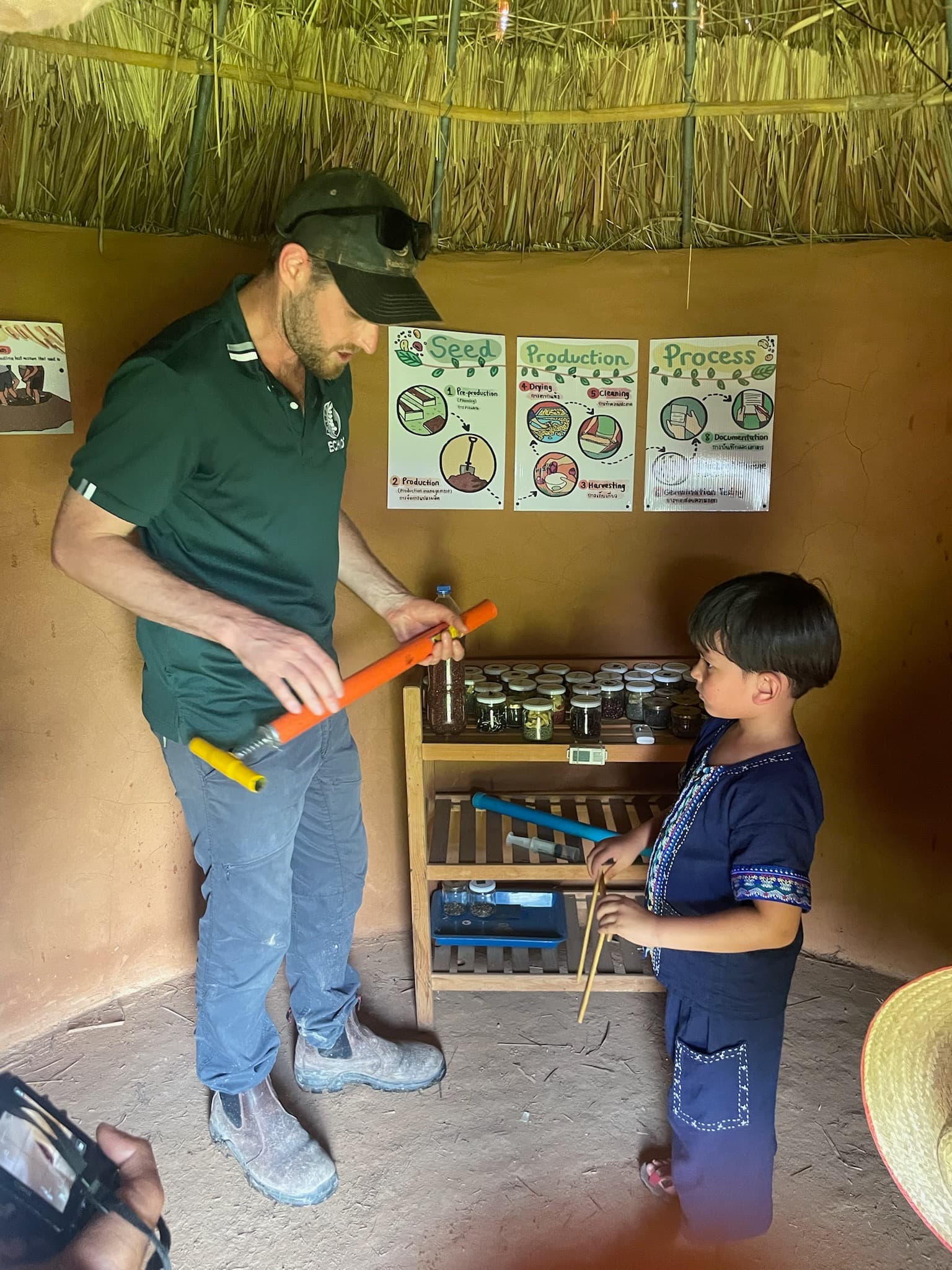
Figure 1: Location of the stored seeds, and bicycle pump they were sealed with
ECHO Asia stored rice bean seed in an earthbag house in 2018, sealed in glass jars using the bicycle-pump vacuum method. In November 2025, these jars were tested to see if they held their vacuum. Seed moisture and germination tests were then conducted.
Three of the four jars had held vacuum. Table 1 below shows the vacuum and moisture levels. The moisture levels were similar to the same seed which had been stored in a vacuum packed plastic bag in a cold room.
Table 1: Seed jar vacuum and seed moisture content
| Jar Code | Vacuum (cm Hg) | Moisture (%) |
|---|---|---|
| 1. Inside Earthbag House + vacuum | 13 | 13.84% |
| 2. Inside Earthbag House + vacuum | 12 | 13.56% |
| 3. Inside Earthbag House + vacuum | 10 | 14.16% |
| 4. Inside Earthbag House + vacuum | Did not hold vacuum | 15.14% |
| Rice bean stored in cool room | Not tested, vacuum sealed in a plastic bag | 13.92% |
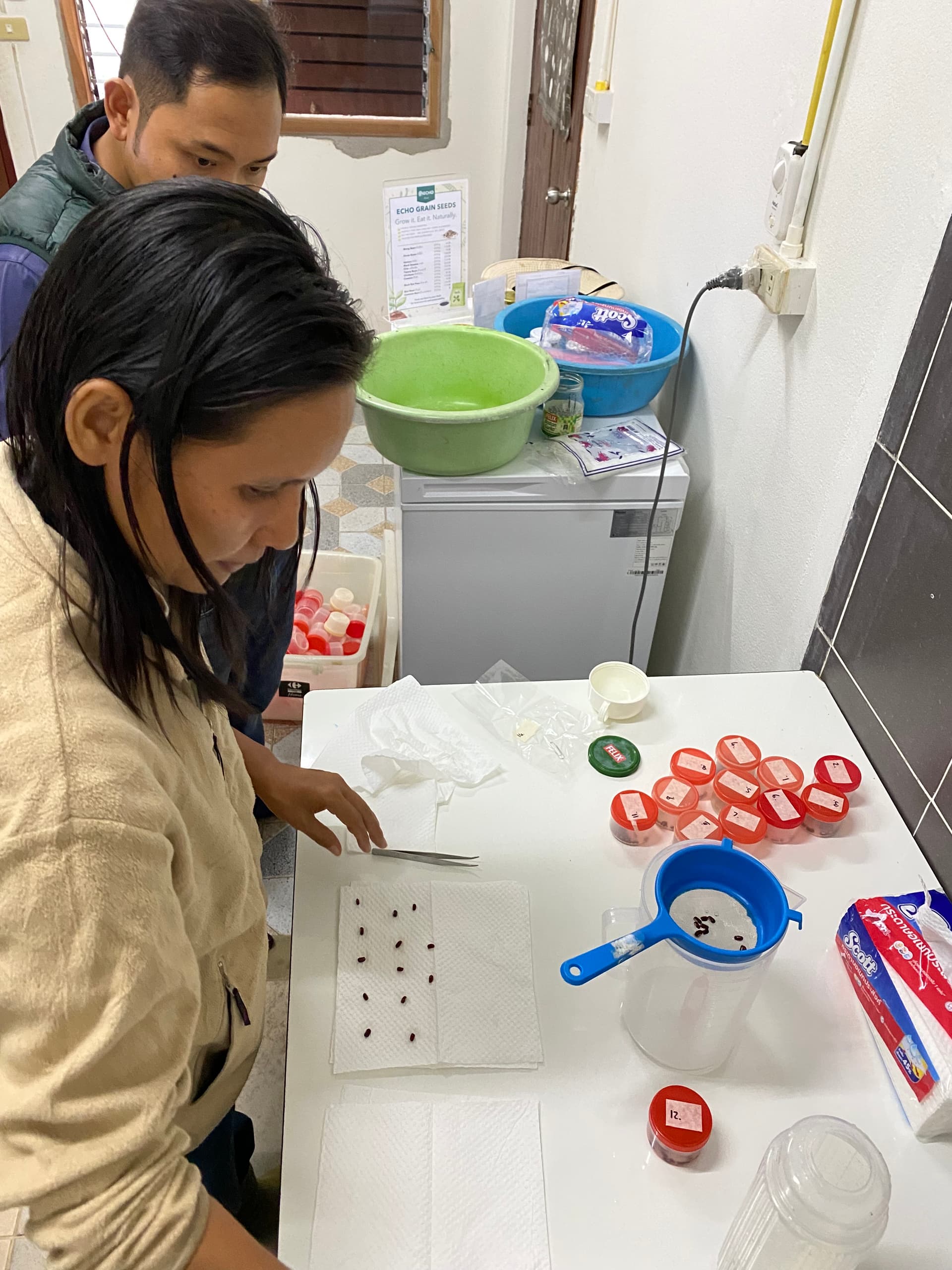
Figure 2: Seed germination testing
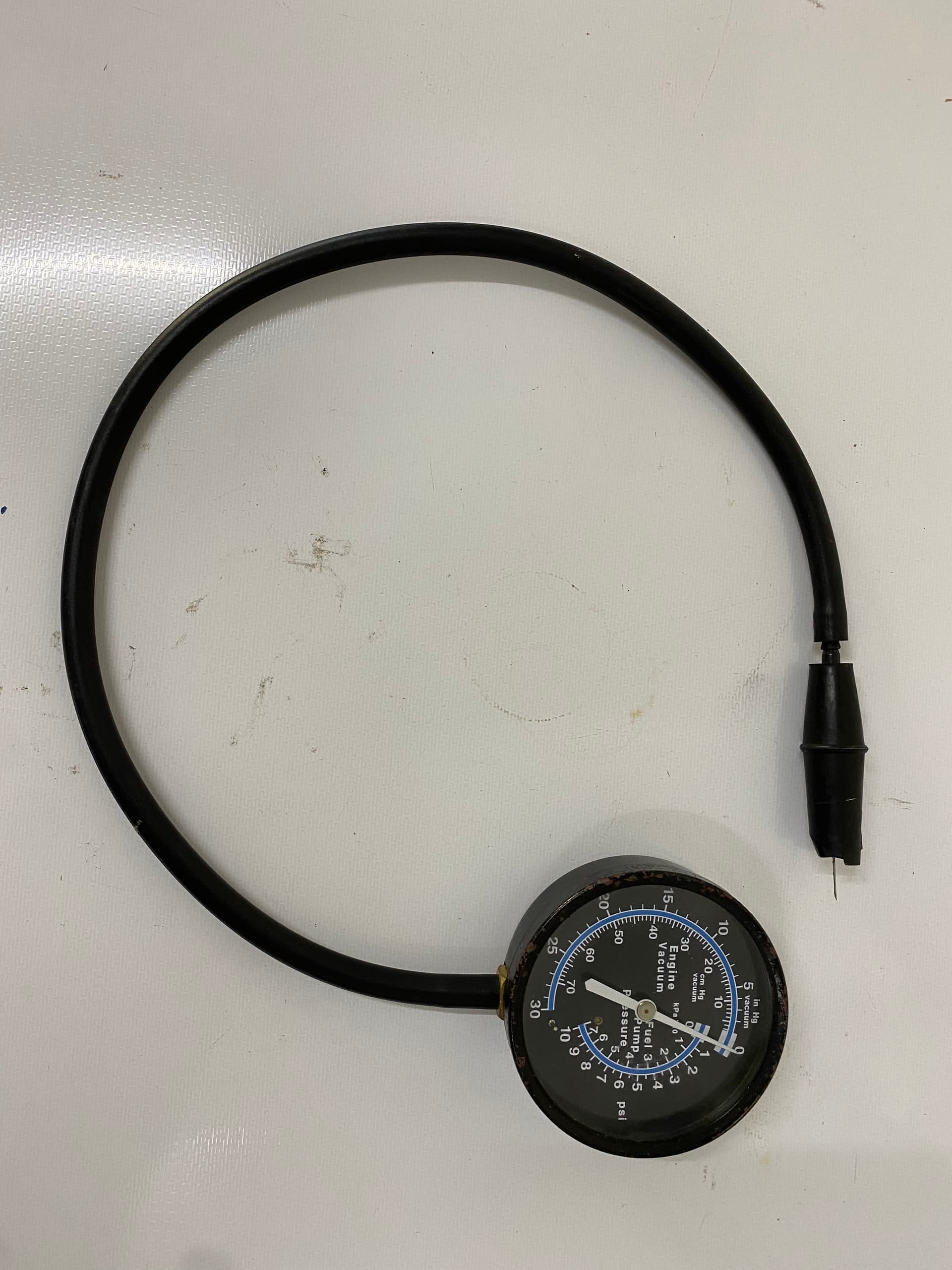
Figure 3: Vacuum measuring device
Despite having been sealed with a vacuum, the seed was not viable after 7 years storage without refrigeration. Table 2 shows that seed germination rates for sealed jars were 2 to 6%, while the the unsealed jar was 0%. The same seed stored in the cold room still have 96% germination.
Table 2: Germination Rate
| Jar Code | Germination Rate (%) |
|---|---|
| 1. Inside Earthbag House + vacuum | 6% |
| 2. Inside Earthbag House + vacuum | 2% |
| 3. Inside Earthbag House + vacuum | 0% |
| 4. Inside Earthbag House + vacuum | 2% |
| Rice bean stored in cool room | 96% |
Conclusion
The seals on the jam jars were remarkably resilient after 7 years. One out of four jars has the tape covering the hole in the jar peel off, and so lost its vacuum. The others held their vacuum.
Vacuum sealing alone is not sufficient to maintain seed viability over the long term. The hot temperatures and relatively high moisture content of the seeds would have likely been the primary reasons for poor germination of the seed.
For medium term storage, the jam-jar + bicycle pump sealing method is reasonably durable, and can maintain a vacuum. Seed viability will depend on several factors in addition to maintenance of the sealed vacuum.