How do you manage chaya to maximize the yield?
I’d like to learn how people are managing their chaya to ensure that the chaya produces consistently and is high yielding. An important part of managing chaya is how the edible shoots and leaves are harvested.
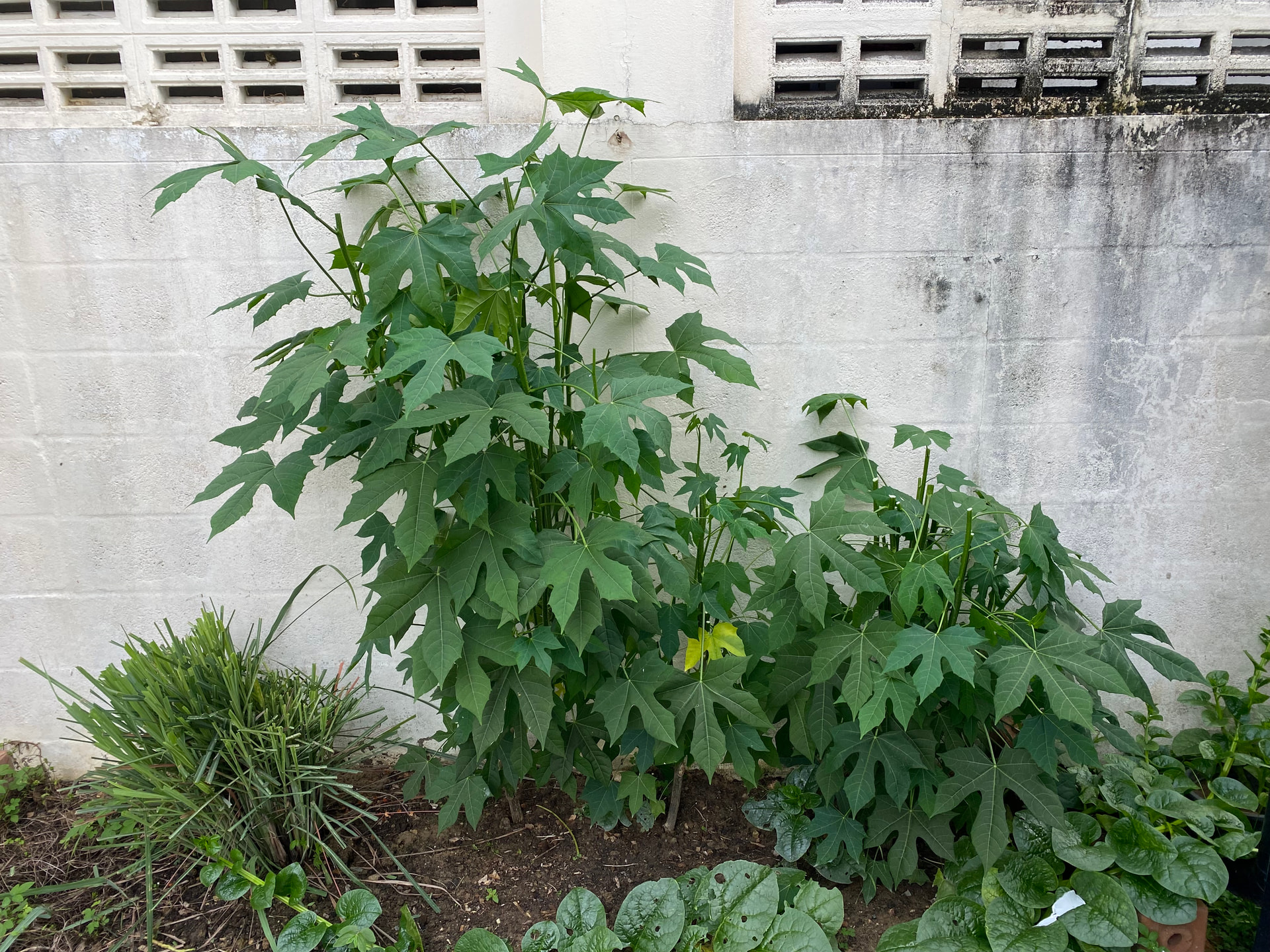
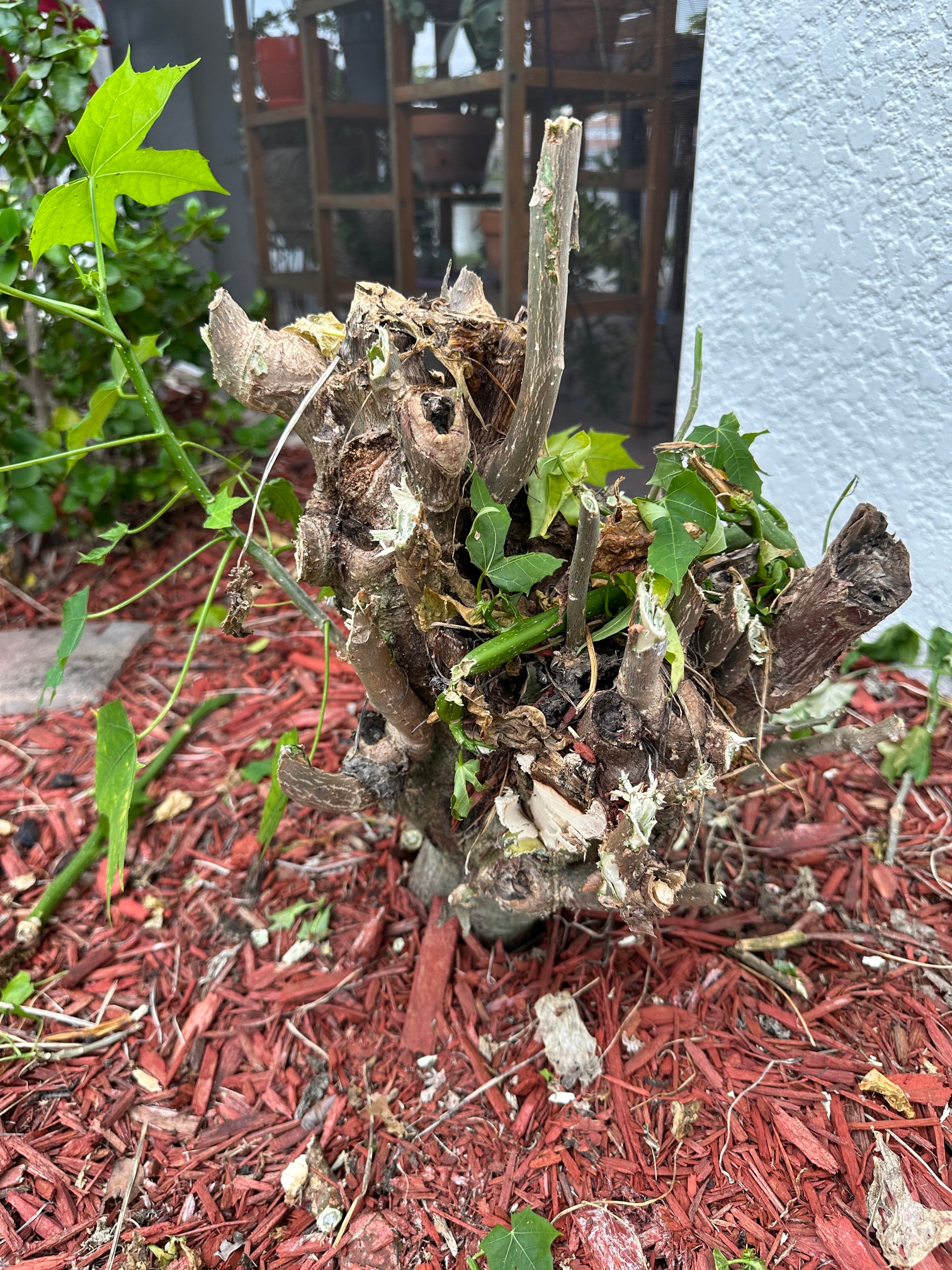
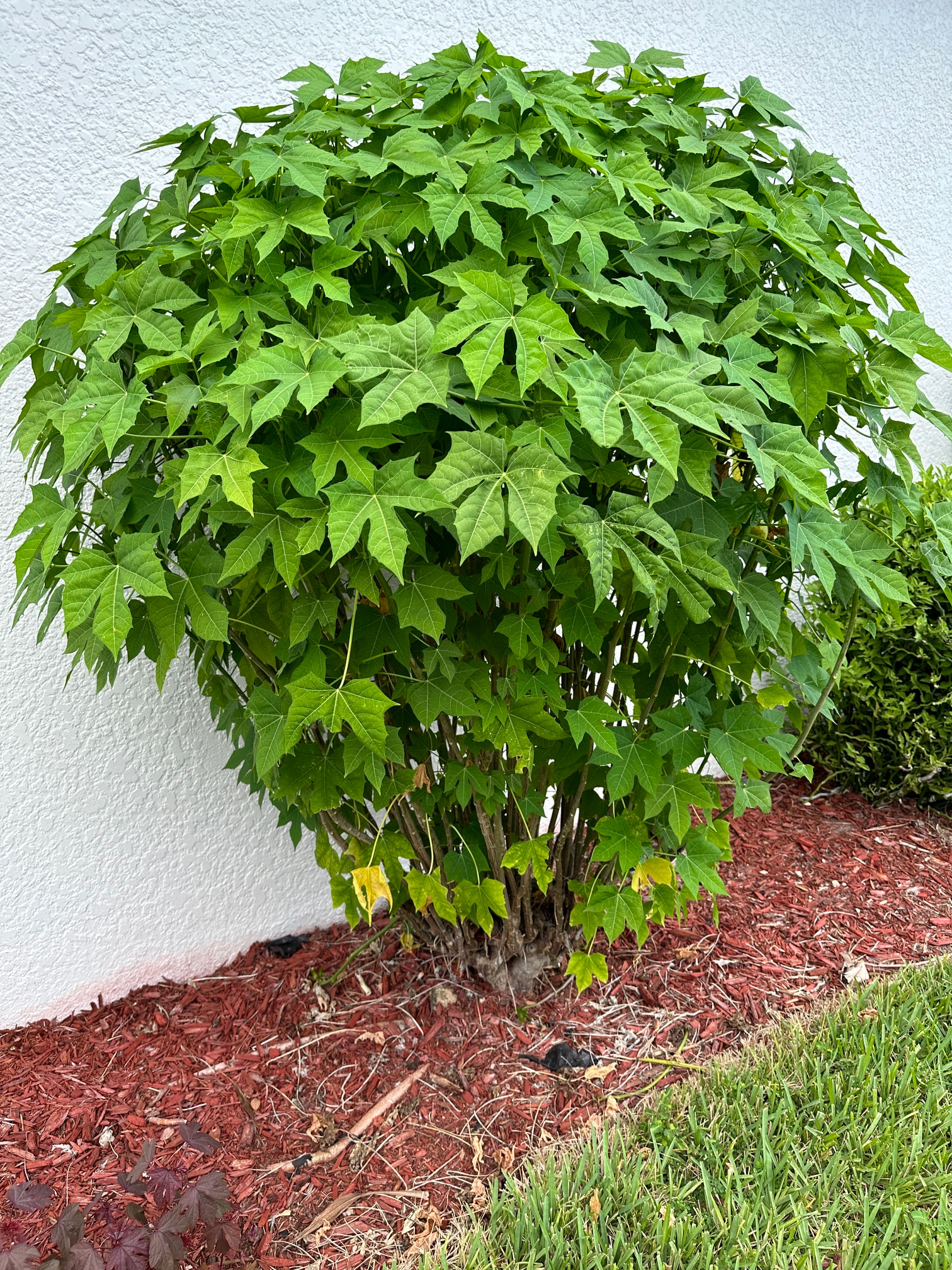
Typically, I see chaya that is harvested by removing just the edible tip of each branch. Over time, this produces highly branching bushes. Currently I’m observing some chaya plants that have been pruned to different heights after harvest, to see if different coppicing techniques can result in improved regrowth.
What is your experience?
A simple tip to increase production - ECHOcommunity: Conversations
This link is for another EC post on harvesting leaves for optimal production. I have never tried it on chaya, but I can report that it works very well for forage trees, and this is the practice I ended up adopting for harvesting forage for livestock.
1 Like
Yes as I reported on that other link, harvesting all of the leaves produces much more biomass much quicker than harvesting only a portion. We have experimented with harvesting only 25% 50% 75% and 100%. 100% gives us the best results on the forage leaves that we have tested which includes Chaya, Mora, Glilricida, Erythrina and others. My guess is the plant responses to not having any photosynthesis capacity by very quickly producing the capacity…in only a very few days.
Thanks Nathanael! This is helpful.
I see that one of your approaches is to harvest the lower large leaves.
In your area, do people typically eat the mature leaves? From what I’ve observed in Asia, people typically have a strong preference for the young growing tip and immature leaves. I also find the mature leaves too fibrous!
Thanks @AFHGlen!
Did you try harvesting these high proportions (75% and 100% of leaf) over repeated harvests?
I’m wondering if using this harvesting method would result in lower total leaf yield over the longer term, as the plant would be more stressed. Would complete defoliation at every harvest be a recommended strategy?
@Shaun_Snoxell1 no people don’t usually eat the older leaves–but ducks and chickens do!
@AFHGlen thanks for reporting on the results of harvesting 100% of leaves. Your results are similar to that of a coppiced tree, for instance, that regrows very fast. This is an emergency response on the part of the plant and is a fantastic technique for stimulating regeneration in trees. Over the longer term there is a trade-off with how frequently a 100% harvest can be practiced without threatening the health of the plant.
1 Like
You make a good point Shaun. That could be the case but I haven’t seen evidence of it. Although for the past year or so, we always harvest 100% of the leaves, being a normal farm with normal variables, we aren’t always harvesting. Sometimes we have a surplus and harvest less often. Sometimes we have a shortage and harvest very often. As I think I mentioned previously, this is our harvesting style for all of the plants we harvest leaves from… not just Chaya.
It could be that plants have adapted and like grass can be cut heavily frequently without a downside. Also in thinking about it, even when 100% of the leaves are harvested, within a couple of days tiny leaves reappear and they do their job of photosynthesis for the next days or weeks until harvested again. In other words, the plant has leaves almost all the time it’s just the leaves are not full grown.
1 Like
I’m not doing this at scale like many of you, but I do have 4 chaya plantings around my home which are going on 10 years of age - but I have coppiced them since about 1 year, taking them down to within 12 inches of the ground to develop a decent stool. Then multiple fresh shoots provide plenty of leaves. The bush tops out about 5 or 6 feet before I cut it back again when the upper leaves are maturing beyond good use. Lately, I’ve been cutting the shoots back to waist height. Keeping the height manageable helps in ‘reach’ and in avoiding the potential for breakage or tipping during wind events.
4 Likes