by @Faith_Juma, Seed Bank Manager, ECHO East Africa
For years, I spoke about spider plant (Cleome gynandra) or “saga / mgagani” in swahili mostly from books, reports, and nutrition tables.
I talked about its high micronutrient content, its role as an indigenous leafy vegetable, and its potential as a Neglected Underutilised Species #NUS. But I had never eaten it. Like many people, I had only heard one thing. “It’s very bitter.”
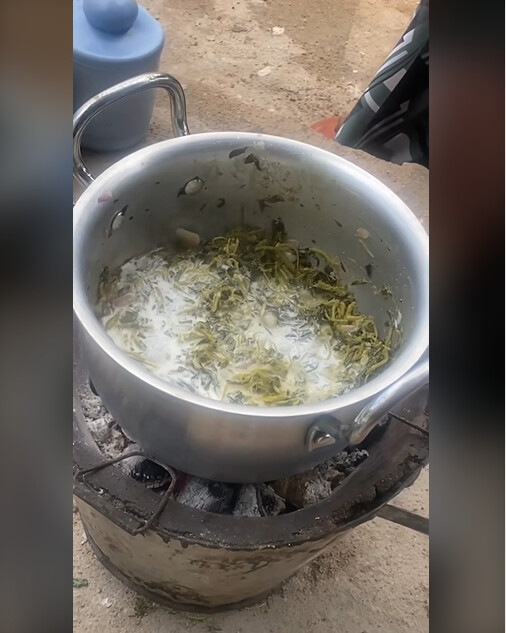
Recently, I finally learned how to cook it properly. We harvested young, tender leaves, washed them well, boiled them briefly, then added onions, salt, groundnuts, and coconut milk. Simple… Intentional.
The result?
I couldn’t believe the taste  It was rich, balanced, and deeply satisfying—perfect with cassava-milled ugali.
 not as bitter as I thought
That simple meal reminded me two things:
 many indigenous vegetables are not lacking value; they lack knowledge, visibility, and appreciation.
relearning how to value what we already have sometimes, starts with a simple meal
As we search for solutions to food insecurity, we must remember that innovation sometimes means reclaiming what we already have:seedling: The solutions are just growing quietly in our back yards 
Learn more about this plant (spider plant)
https://www.echocommunity.org/resources/9c1b8d58-fee8-4a3a-aec3-ffccd19c4ddd
#NUS #echofightshunger #agroecology #climateresilience #indigenousvegetables