by @Faith_Juma, Seed Bank Manager, ECHO East Africa
What disappears from our plates often disappears first from our memories 
During a recent community conversation, someone said:
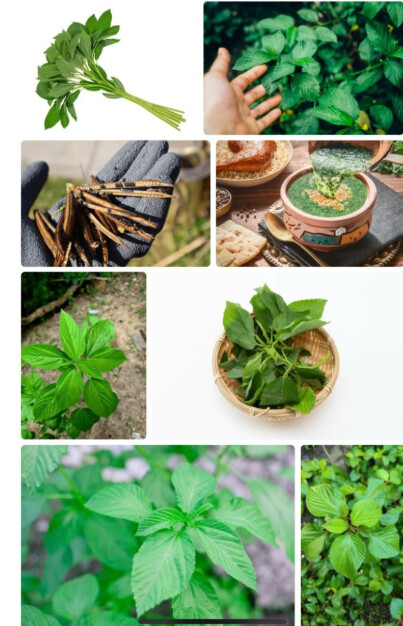
“When we were growing up, we used to eat jutemallow (mlenda) It had a very particular taste. They were of different varieties too”
Heads nodded. Smiles followed.
Jutemallow (Corchorus olitorius) a common ,flavorful vegetable in many Tanzanian households. Today, it has quietly been replaced by pumpkin leaves mixed with okra. Very delicious, yes  but different.
So, did jute mallow lose its value? No. Food knowledge shifted.
As cooking practices changed and seeds became less visible, fewer people planted it. Fewer plantings meant fewer meals and quickly a whole generation grew up without knowing its distinctive taste.
This is how many neglected and underutilized species disappear not through rejection, but through forgetting.
And when they disappear, we lose more than food we lose diversity and knowledge.
These vegetables already belong in our food systems.
The real question is: Will we remember them in time?
 Reviving food knowledge brings back not just taste but choice, resilience, and identity.
Also : https://www.echocommunity.org/resources/e5b95854-a01b-4265-802f-137a5681d2cf