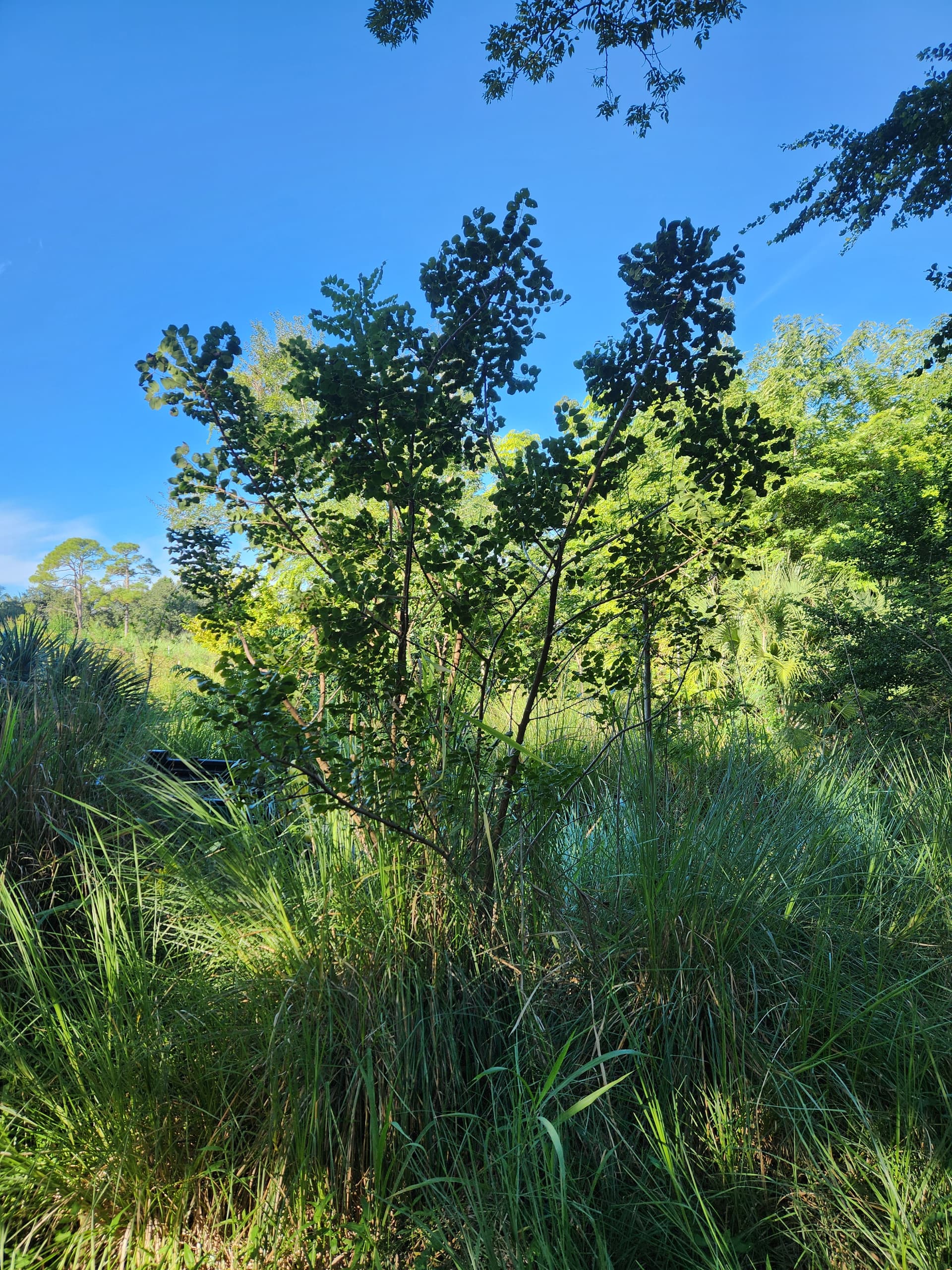
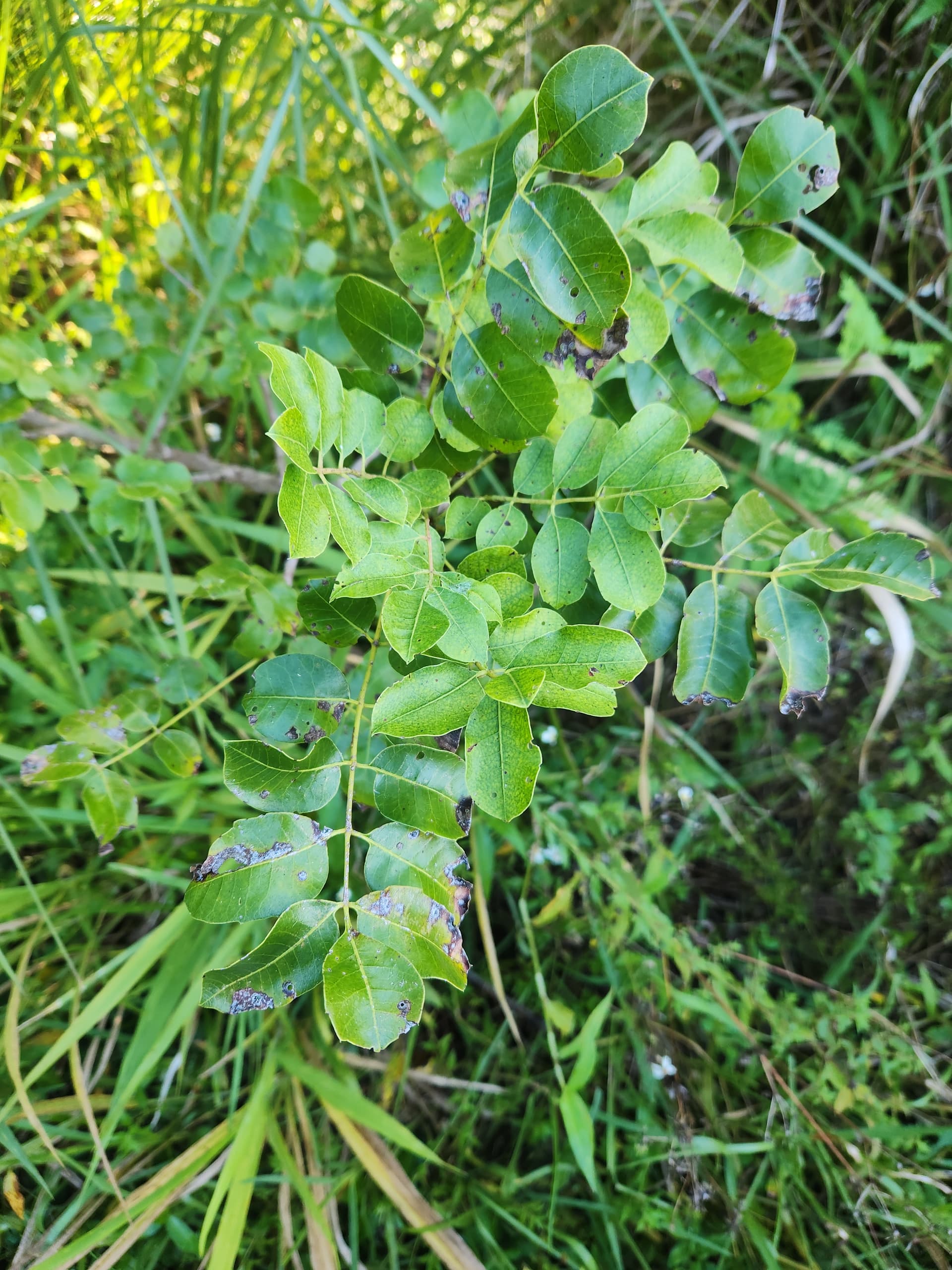
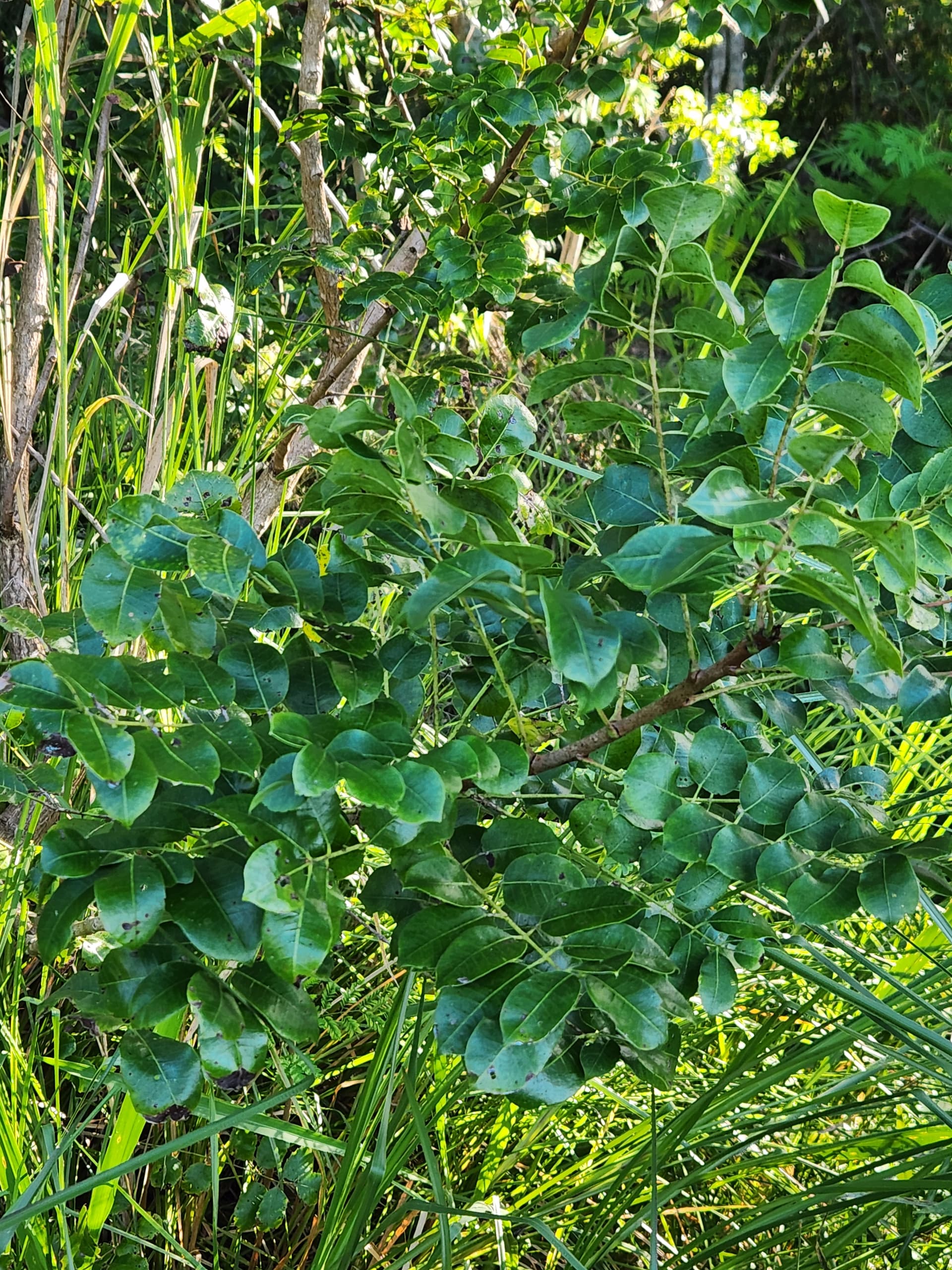
We have a Marula tree on our ECHO NARIC farm and we are looking to learn more about Marula, scientific name Sclerocarya birrea. Does anyone have experience with Marula or any information they could share?
Below is a link to a resource that is already posted on ECHO community along with some photos from the farm.
2 Likes
Hi Kristina! What a fun, underutilized species! @Erwin_Kinsey mentioned it in “Food from the Wild.” Erwin do you have any recommendations from yourself or others?
Stacy
All that I know is that it seems to be very difficult to grow from seed. We bought 1 kg of seed here in TZ, and out of the several hundred seeds we were only able to grow about 2-3. We tried soaking in warm water for 2-5 days, soaking in vinegar, nicking, but with only very limited success…
Hello. I would be remiss if I didn’t mention the hilarious film “Animals are beautiful people” by the “Gods must be crazy” producer. In that film animals get drunk on fermented Marula pods. That’s all I know of the tree but it is worth watching for the laughs.
I’ve worked with marula in various African countries for more than 25 years. Probably the most important thing to know about this amazing tree is that it is dioecious (has male and female individuals) and therefore a single tree grown in isolation almost definitely won’t fruit. I say “almost definitely” because I’ve heard of (but have never seen) hermaphrodite marula trees that are self-fertile. I’ve also met farmers who grafted male branches into female trees to provide pollen. One male is needed for every 5 females, as a rule of thumb, but in areas where they are common a lower ratio might work, because they are wind pollinated. They are relatively easy to graft, and to grow from cuttings. Some people say the seeds need to pass through an animal to germinate, but they do eventually germinate by themselves. Nuts typically have more than one seeds inside. If you look at the blunt end of the nuts carefully you’ll see 2-3 little round “eyes” - like tiny lids enclosing the seed capsules. Using a sharp tool to remove these might improve germination success.
1 Like
Marula grow wild here in central Chad. I have planted many many seeds and they germinate very easily in their native soil. However, they need to be planted fresh; they produce near the end of dry season so that as soon as the rains come they are ready to germinate. Dry seeds do not germinate well.
A cutting 8 cm thick or so will also root in rainy season.
We love to suck on the fruit, but there are so many of them that boiling them up into a concentrate is a great way to preserve them.
The seeds are really delicious, but it’s lots of work to extract them from such a hard pit!